PHOTO
IS THERE enough vulnerable people in need of regular nutritious food for a free service offering hot meals in Myrtleford?
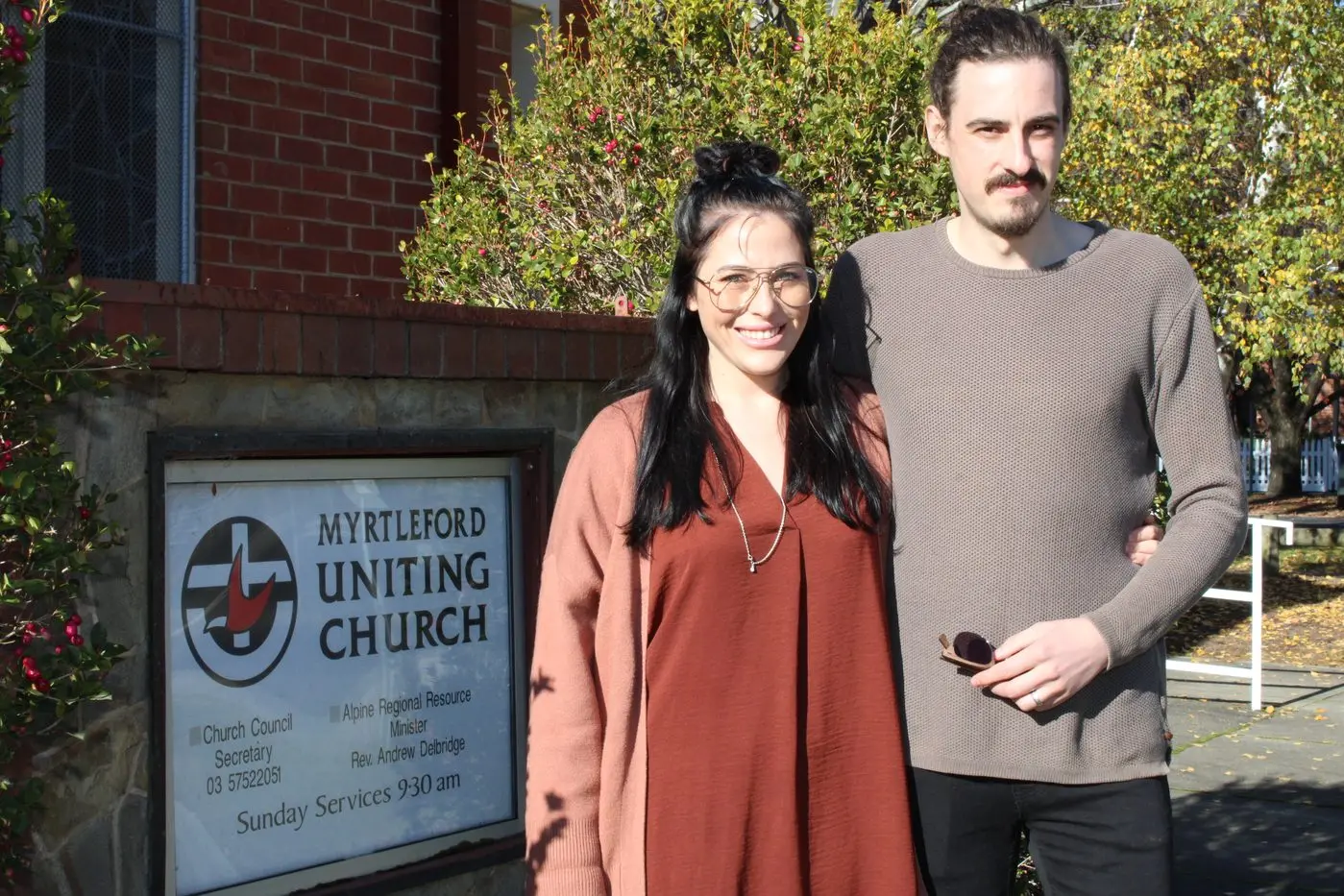
That’s the burning question for Steven Cale and his wife Cass.
The couple founded the Myrtleford Food Movement almost two months ago, offering healthy, hot meals to anyone who needs them.
They’ve been widely applauded for the initiative and received strong community support.
And, with a high proportion of Myrtleford residents aged over 65, statistics say there should be more people in Myrtleford without regular access to nutritious meals.
However, on average only 10 people have been coming to the Uniting Church hall each Monday night, mainly several regulars.
Mr Cale fears there may be a ‘skid row, soup kitchen’ stigma holding back vulnerable locals who could be taking advantage of the service.
“When we first asked if there was a need we had over 40 responses on Facebook from people saying they’d thought it was needed or they knew someone who would take advantage of a regular healthy meal,” he said.
“However, that’s never translated to dozens of people through the door.
“It’s hard to reconcile our low numbers with the massive community encouragement we received to open the kitchen.”
The Cales were inspired to start the service after reading Food Bank Australia’s latest Hunger Report, which states that the number of Australians unable to reliably feed themselves on a regular basis has risen to around five million people - about one in five of the population.
Not that they want the community to think of it as a ‘service’, rather than a place for anyone to drop in and meet to chat and share a meal together.
Mr Cale concedes there may be other reasons for the low turnouts on Monday nights: low winter temperatures and rain or the kitchen’s early evening opening time of 5pm-6.30pm, which they’ve had to adopt to enable them to get their two-year-old daughter Freyja home to bed.
It could also be that those people who might otherwise use the service are not on Facebook and may simply not be aware it’s available.
So, to raise awareness, Mr Cale intends to put up posters around the town and in the neighbourhood centre and op shops, as well as speak to service club members, library staff – anyone who might help spread the word.
He will also speak with the managers and staff of local retirement homes to gauge if there is a hidden need among the partners of their residents living on their own in the family home.
However, the reason may also lie in the nature of the town.
“Myrtleford is a tight-knit community and perhaps the people over 65 who would normally be at risk of not eating properly are already being well taken care of by family or friends,’ Mr Cale said.
“I hope that is the case.”
In the last two months, the couple have been in dialogue with Alpine Health, as well as collaborating with the neighbourhood centre and op shops to create a network of locations where meals are available.
Their Food Movement kitchen is cooking more than double the amount of food needed on Monday nights, with the surplus going to the neighbourhood centre and op shops to supply either fresh or frozen meals to those who might need them.
“We wanted to create more outlets and distribution points for the meals,” Mr Cale said.
“It allows us to direct the people we see to go to the centre or the op shops for meals at other times of the week, while their staff can let them know about us.
“That way no-one falls through the cracks – reach out to one of us and you learn about the network that’s there to support you when and where you need it.”
To keep the council informed about any increase in food insecurity, Alpine Health’s quarterly report to council will update councilors on how many people have come in for meals or collected them from the outlets in Myrtleford and across the shire.
“The best thing to come out of the Food Movement has been expanding the network of support for people who don’t always have access to healthy food,” Mr Cale added.