PHOTO
66376.0
Local volunteer firefighters are pushing back against the Victoria government’s latest funding announcement, labelling a $100 million commitment for new CFA trucks a "smokescreen" that falls $28 million short of what is needed to modernise an ageing fleet.
Volunteer Fire Brigade Victoria (VFBV) estimates have shown a $28 million shortfall in the annual investment being made by the state government into new CFA tankers to what the VFBV say the CFA needs to “stop going backwards”.
The state government announced a $365m investment into CFA and forest firefighter upgrades on 23 April as part of its upcoming 2026/27 budget, which included an allocation of $100m to expand CFA’s fleet of new tankers and pumpers.
What was not disclosed in the announcement was the $100m would be allocated over 10 years.
VFBV estimates say $60.48m was needed to replace 100 appliances each year and Thursday’s funding announcement brought CFA’s total annual spend to $32.5m.
Given the cost of new tankers ($465,000) and new pumpers ($1 million), the extra funding will allow the CFA to replace about 21 tankers and five pumpers each year.
Estimates in January said some 800 tankers across Victoria were out of date and unreliable, with at least 15 to 18 within local District 23 brigades.
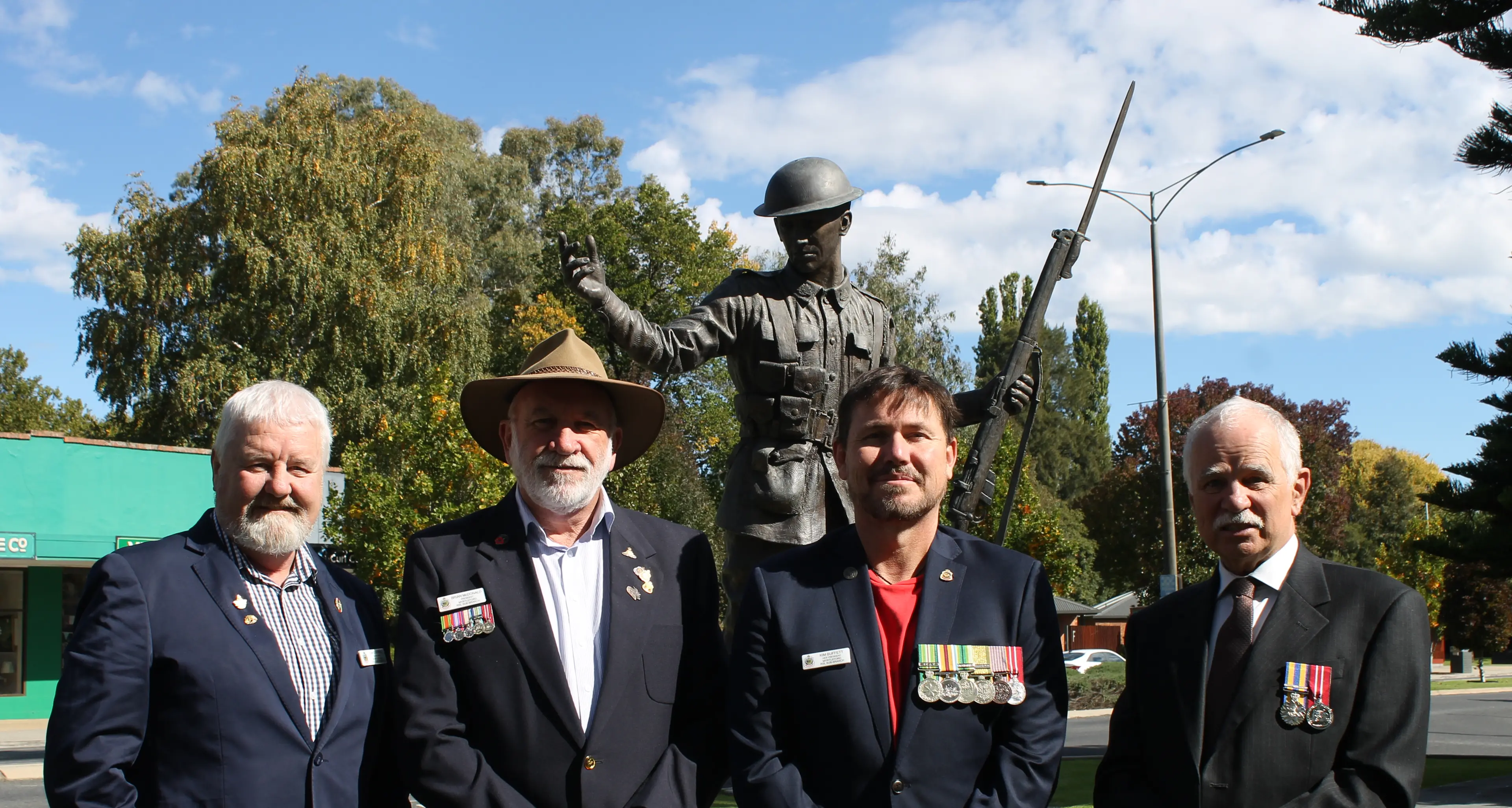
District 23 VFBV president Garry Nash said while the funding was still welcomed, it was a long way from what's needed to stop firefighters from being exposed to the harsh elements of fires on the back of tankers that are too old.
“We don’t feel the city people have got much of a handle on what the reality is out in the country… it’s a bit of a smoke screen,” he said.
“Even though they've (trucks) been well looked after and maintained through our work, when they can't get parts for them, they become unusable.
“The government needs to do more for communities that have been devastated.”
Maindample CFA brigade member and District 23 VFBV deputy delegate Mary-Anne Egan knows all too well the devastation faced by communities in the 2026 summer fires, having been in the thick of fighting the Longwood fires.
Ms Egan said brigade members deserved better than to be left on the back of some 650 out-of-date single cab tankers statewide.
“So many of our firefighters lost their homes while they were out protecting the community,” she said.
Under the government's funding announcement, a $217m investment will go to Forest Fire Management Victoria to purchase 17 new vehicles and secure more planes and helicopters.
It was not clear how much of the funding came from the Emergency Services Volunteer Fund levy, which was controversially implemented in July last year.
Nationals lament "petty cash"
Nationals’ leader and Shadow Minister for Emergency Services, Danny O’Brien, said the new funding would not even be enough to begin to modernise the fleet.
“This funding spread over 10 years doesn’t come anywhere near what is required to adequately replace the CFA’s ageing fleet,” he said.
“It’s also a fraction of the $3 billion extra the government is collecting from Victorians in emergency services tax.
“This petty cash announcement will leave volunteers still sitting on the back of single-cab tankers, exposed to heat, smoke and dust for many bushfire seasons to come.”
CFA welcome funding boost
CFA welcomed the investment of $148.6 million into their fleet, and a funding boost for fire stations and critical equipment.
CFA chief officer Jason Heffernan said the significant funding will not only improve conditions for brigade members right across the state but also help meet the needs of future generations of firefighters.
“The $100 million over 10 years will see us be able to get a better negotiation with industry to ensure we get the trucks that we need, when we need them and I look forward to starting that process,” he said.
“This will go a long way to replacing those single cab tankers where our volunteers are riding on the back.
“Victoria’s firefighters, both operational and those who play a role behind the scenes, deserve the best tools and protection, and this funding will only enhance their ability to respond more efficiently and effectively to emergencies.”