PHOTO
*Copy_*Copy_State Library appeal_Image001_68508
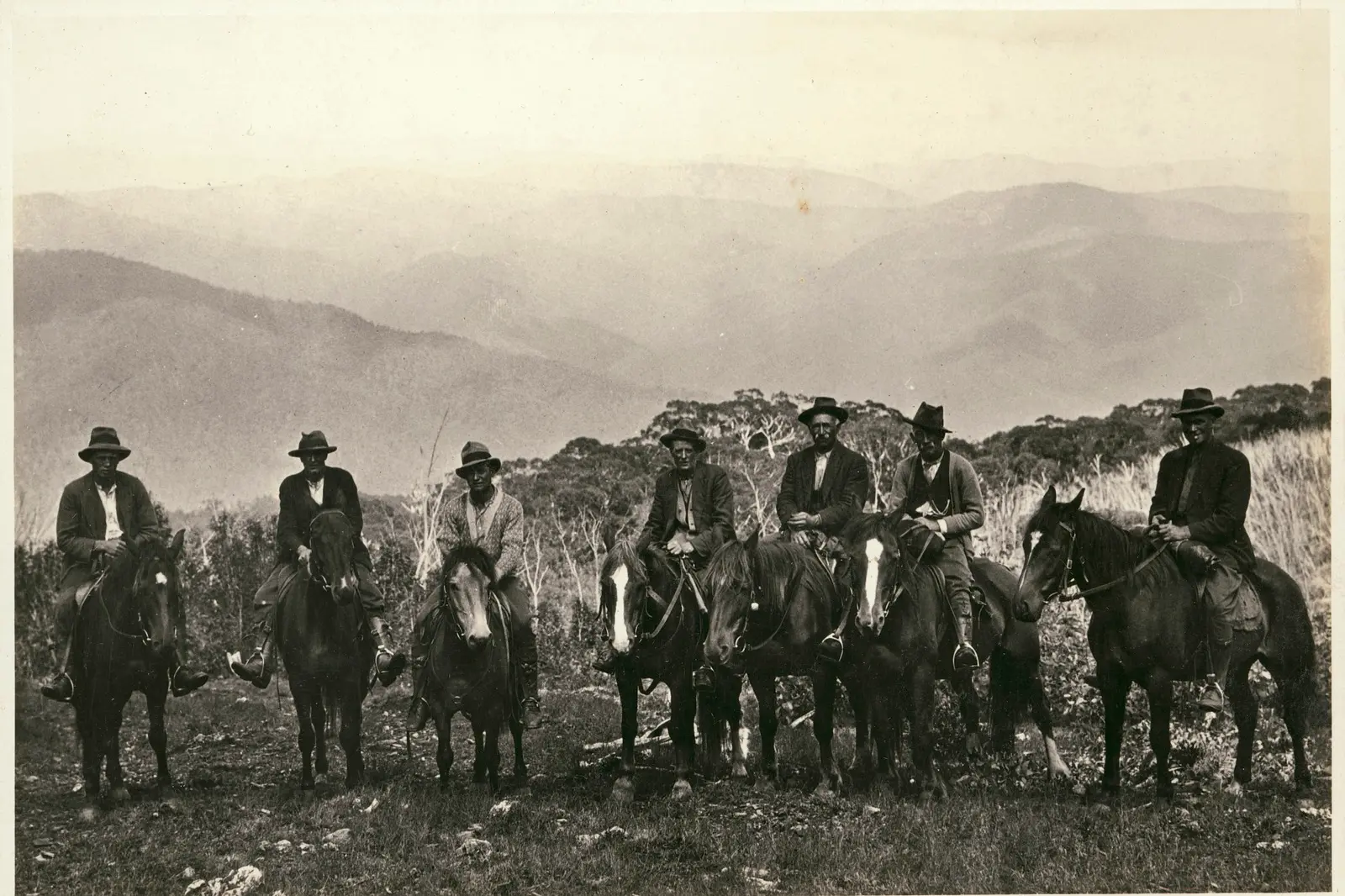
Images and oral accounts of the Bogong High Plains over a century ago are among thousands of recorded memories at risk of being lost forever, unless urgent work is carried out to save State Library Victoria’s collection of oral histories and recordings of Victorian voices.
The collection includes more than 20,000 eye-witness accounts of historic moments, as well as personal insights into Victoria’s changing society and traditions.
While work has begun to digitise parts of the collection, further preservation is needed and almost 13,500 are still held on at-risk analogue formats that have reached the end of their life.
Thousands of cassettes, reel-to-reel and VHS tapes are subject to restricted access due to their fragility, and unless they are digitised, these recordings may never be played again.
The oral histories of Victoria’s mountain cattlemen have been identified as a priority with 30 tapes at risk of severe deterioration.
"These are the memories of cattlemen who lived in the Bogong High Plains in the 1920s and 30s," Ms Missingham said.
"They built the famous cattlemen's huts of the Alpine region and witnessed the 1939 Black Friday bushfires.
"They are considered the last of the old generation of high country cattlemen and their memories form a fascinating chapter in Victorian history.
"We want to ensure that these priceless voices are saved for future generations."
The 2026 State Library Victoria end of financial year appeal, 'Hear Their Voices Again: Help us preserve 100 years of memories' seeks to raise $200,000 to digitise its most fragile and significant recordings, including those of High Country pioneers.
In total the library hopes to raise $2 million to preserve the entire collection and make the interviews easily accessible to historians and the public.
State Library Victoria director of collections and chief librarian, Roxanne Missingham, said the oral history collection is an urgent priority for the library.
"These are stories that you won’t find in history books," Ms Missingham said.
"They are the human voice of historic events, rich with personal meaning, interpretation and details that are often missing from traditional documentary sources."
The library began collecting oral histories in the 1970s.
The memories held in this collection span from the early 1900s, through to the First and Second World Wars, the 1918–1920 influenza pandemic, the Great Depression and civil rights movements, as well as the memories of Victorian sportspeople, artists, musicians, chefs and journalists.
To donate to the library's 2026 EOFY appeal, 'Hear Their Voices Again: Help us preserve 100 years of memories' please visit slv.au/voices.