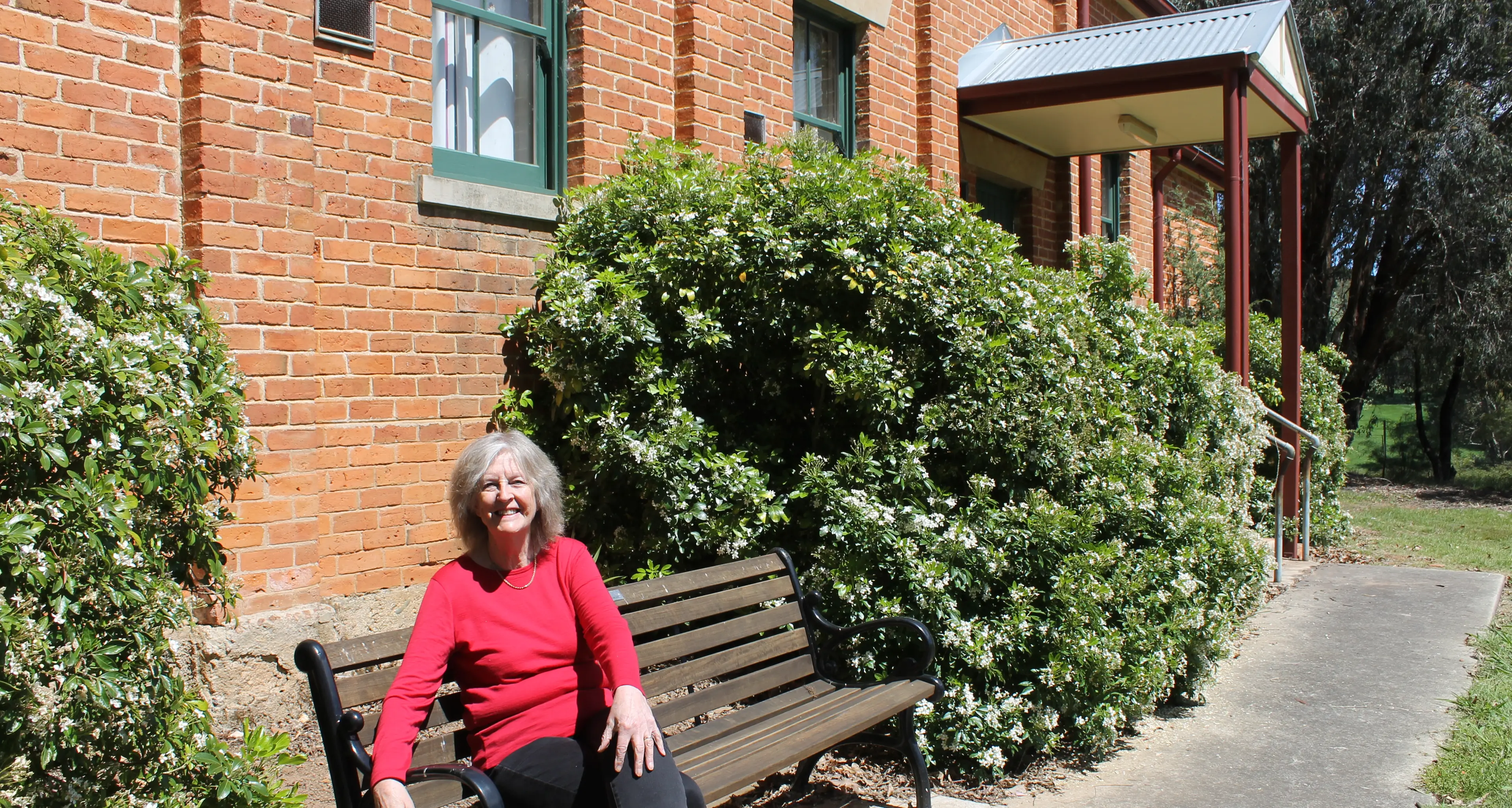
THE heat and humidity were one of the first things that struck Wangaratta Friends of Lacluta (FOL) member Jessica Ruiz on her first visit to Timor Leste in September this year.

Jessica joined Rabela Punif from Springhurst, Linda Sexton from Wangaratta and fellow Myrtleford resident Karen Jones on the trip; their first to the country in more than three years.

Following COVID, the group wanted to wait until it was safe again to visit and they also got to see the rollout of an educational play booklet, created by Rabela and Karen, to local communities.

The booklet is a home–based parent resource for "children's learning through play" and is being distributed to 20,000 homes across Timor Leste, funded by the New Zealand Foreign Affairs and Trade Aid Program and the Ministry of Education in Timor Leste.

Jessica travelled with Karen and Linda, who along the way shared their passion for the isolated and wonderful community of Lacluta.

Jessica said they travelled eight hours in a rented car loaded with items they planned to deliver, travelling on difficult roads that seemed to have no end.

"The further into the rural areas we entered, the more the reality hit me, the deeper into the jungle, the more I realised how remote this area was and the larger the needs were," she said.

"We arrived in Lacluta and almost immediately we were saluted by its habitants – all of them knew Karen and remembered Linda from some previous visits.

"Their faces lit up when they saw us walking the streets, some asking why we haven't been to visit, and I'm not sure whether there was an understanding of what it meant to live through a pandemic."

The next day the group visited the public school and the emotional greeting Karen received from preschool teacher Madalena showed Jessica the connection FOL and the community have.

She said they visited schools, preschools, convent, church, families, hospital, other villages and delivered books, word finders, preschool resources, mother and baby bags, menstrual kits and some small goods to the local hospital.

"Nearly everything was needed, and we had many meetings with local authorities," she said.

"It became clear to me that FOL works very closely with this community and in a culturally respectful manner."

During the trip, the group were accompanied by Ebron Amaral, the FOL liaison officer in Lacluta.

Jessica said his work was nothing short of outstanding, translating their conversations with the locals, attending meetings and facilitating their work in the community.

She said they were hosted by two families during their stay who opened their humble homes to provide a simple bed and food.

"I've never felt so grateful," she said.

"Life in Lacluta presents many challenges – restless sleeps due to the heat and unexpected noises at any time of the night and early mornings.

"The dehydration was real, there was also a struggle to find vegetables at the local market, during what they called 'hungry season'.

"As a result, the diet consisted of big amounts of carbohydrates which contributed to the general fatigue and fogginess and didn't allow you to think clearly.

"Local people endure this every day, or at least for long periods."

But Jessica says she also witnessed some glimpses of progress in Dilor; electricity now available to each home activated by a credit, some homes with basic electrical installations and some with tiled floors.

She said a big hand–washing station at the hospital allows people to have some basic hand sanitation upon arrival.

"On the other hand, running water continues to be an issue; water can be available to homes through pipes in the ground but we never saw taps," she said.

"Women collected water from broken pipes in the streets at different location and carried litres of water in containers on their heads.

"Some of the more vulnerable places had no water at all; they relied on collecting water from the river which was clearly contaminated by rubbish."

Jessica said pollution of the environment is escalating at an alarming rate and is perhaps one of the greatest challenges facing Timor Leste.

Communication and access to information also continues to be an issue, with limited health care and services impacting people's life expectancy and life quality, including children, with many dying as babies.

Access to educational services is also limited for some children such as those with disabilities and children living on the other side of the river, who can only access school when the river is low or dry.

"I still struggle to find a word to describe my experience in Lacluta – a sense of humbleness and gratitude fills my heart – but a sense of sadness and frustration fills the other half," she said.

"I got to experience walking in their shoes, seeing in person all the needs of this community, and seeing how FOL is working in a holistic and meaningful way gives me hope.

"Witnessing how small initiatives are creating real difference and flourishing, this encourages me to collaborate and give something back to society, because after all, I am so lucky to be the person I am and the life I have been born into."

For more information of the work of Wangaratta's Friends of Lacluta, visit the organisation on Facebook with volunteers encouraged to get involved and donations always welcome.