PHOTO
62656.0
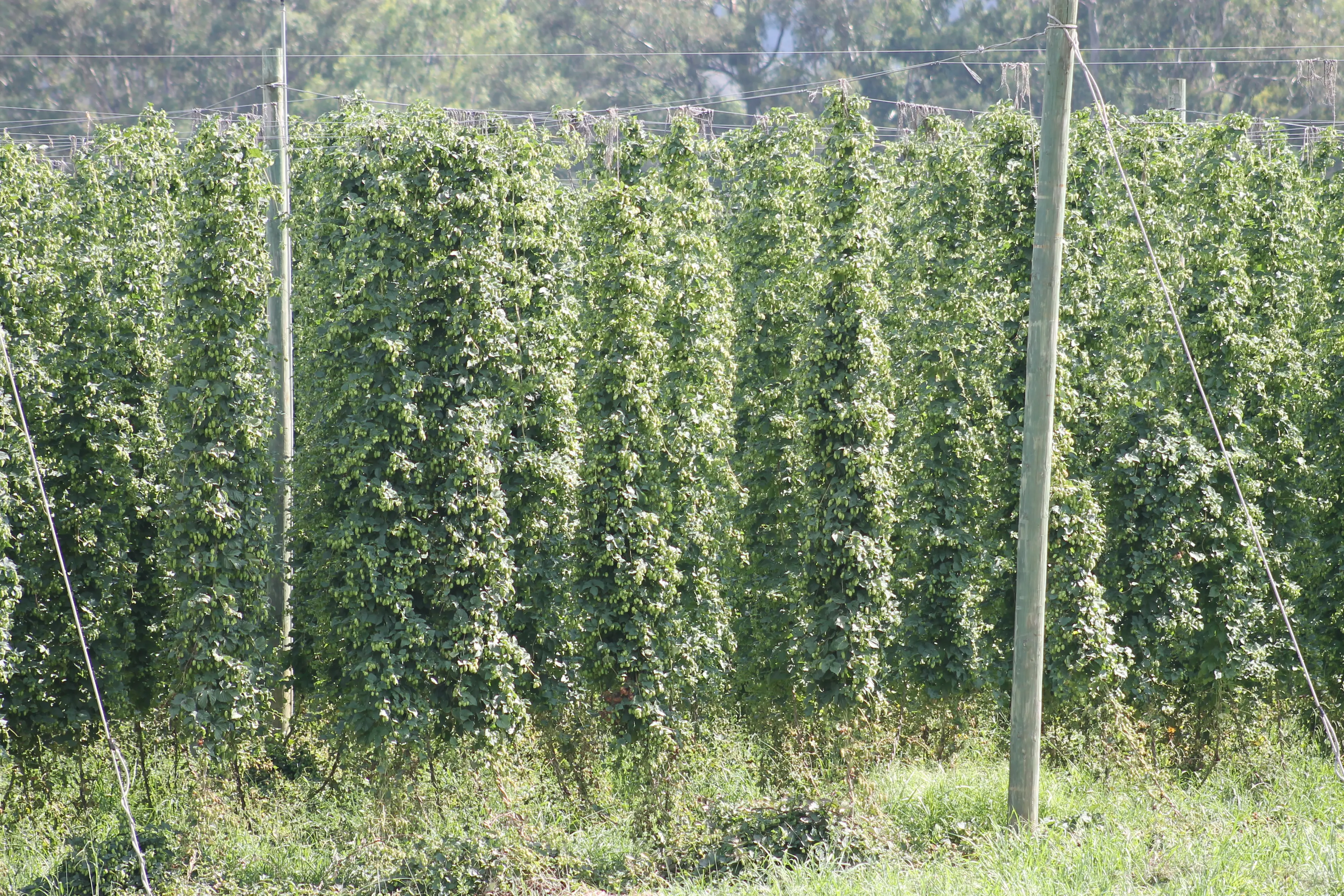
Hop Products Australia (HPA) has commenced this year’s hops harvest in the Alpine Shire and is expecting average to above-average yields across most varieties.
HPA said it is closely monitoring key indicators of hop maturity to ensure it harvests each variety at the optimal time, which is the key to maximising quality in the finished product and delivering consistent performance in beer.
A HPA spokesperson said overall, the local crop is looking excellent.
"It was a hot and dry finish to the growing season, as the crop endured drought conditions and two significant heatwave events, but the yield and quality remain excellent thanks to HPA’s three lines of defence," the spokesperson said.
HPA has a combination of secure water rights, including two huge dams for precise irrigation timing and hops which are specifically bred to thrive in Australia’s changing climate.
The spokesperson said this is proof resilience comes from layers: the right plants, in the right place, with the right resources.
HPA general manager of operations at Myrtleford, Hans Dreyer, said the company is grateful for its neighbours’ patience and understanding during the critical time of harvest.
“We recognise this [harvest] means increased activity on our local roads," he said.
"Our crews are committed to operating safely and courteously with consideration for everyone who calls the High Country home.”
In terms of challenges to this year's harvest, structural oversupply remains a dominant theme in the global hop industry due to craft beer growth plateauing in key markets, as consumer preferences shift toward alternate alcoholic and non-alcoholic beverages.
Despite ongoing acreage reductions in most major growing regions, supply is still outpacing demand.
The HPA spokesperson said returning to balance will take time as brewers continue to draw down stock from previous crop years and growers adjust production to moderate the surplus.
HPA said it has fulfilled its responsibility by idling a third of its farms in recent years.
“Scaled-back production has created space to prioritise sustainability and innovation initiatives including soil remediation, cover cropping, rootstock rotation and the accelerated development of leading experimental hops within our breeding program,” HPA chief executive officer Owen Johnston said.
HPA has since joined a global movement for climate action by committing to set a near-term emissions reduction target with the Science Based Targets initiative and recently commercialised one of its leading experimental hops.
HPA's Victorian farms are spread over 577 hectares, with 358 hectares to be harvested in 2026.
The remaining hectares will see an implementation of a range of sustainability and innovation initiatives, such as soil remediation, cover cropping, cycling rootstock and scaling up leading experimental hops in the breeding program.
All bales from the Tasmanian and Victorian farms will be transported to HPA's state-of-the-art Hops Central pelleting, packaging and storage facility in the former Tobacco Cooperative of Victoria facility in Myrtleford.
This will equate to more than 1000 metric tonnes of hops destined for breweries across Australia and around the world.
To bolster the 35 permanent staff, more than 250 casual staff are scheduled to offer their support over the harvest season.