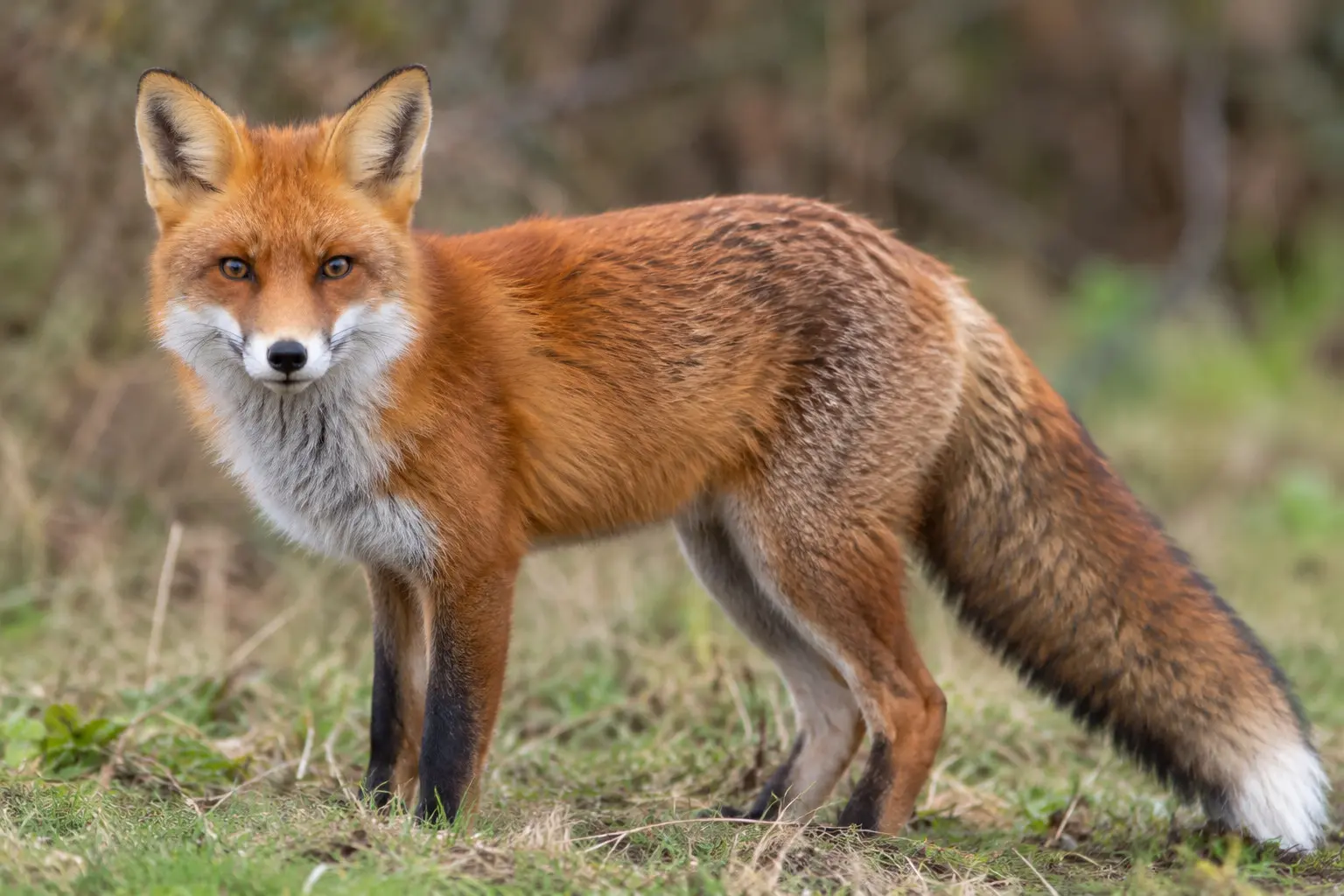
Public comment is being sought on a proposed national plan to help curb the impact of fox predation on native animals. The Australian Department of Climate Change, Energy, the Environment and Water is seeking feedback on the draft threat abatement plan to reduce European red foxes' impact on Australia’s native fauna over the next decade. The plan proposes a national framework to guide and coordinate Australia’s response, identifying research, management and other actions that all levels of government and other stakeholders can take to ensure the long-term survival of native species and ecological communities. According to the latest research, Australia's fox population is north of 1.7 million and occupies about 80 per cent of Australia's land area in habitats as diverse as alpine environments, deserts and highly modified landscapes such as major cities. Foxes are generally monogamous, can live up to eight years - but on average four - in the wild, and females produce a single litter of cubs annually (average of four cubs, maximum of 10) and they reach independence after about six months of age. Since their introduction to Australia in the 1840s foxes are likely to have contributed to at least 20 of the 37 Australian mammal species rendered extinct since European colonisation, including the the lesser bilby Macrotis leucura, desert bandicoot Perameles eremiana and eastern hare-wallaby Lagorchestes leporides. Authorities believe fox predation is a threat to 36 per cent of the 572 extant threatened non-marine animal species in Australia and foxes kill 367 million individual mammals (including 108 million native mammals), 111 million birds and 88 million reptiles per year in Australia, along with an unknown number of invertebrates and frogs. Implementation of all actions in the threat abatement plan would cost about $175 million over five years, which is substantially more than current expenditure on fox management in Australia for conservation purposes ($5-7m per year), but substantially less than a crude estimated annual cost of foxes to Australian biodiversity ($190m per year). The Invasive Species Council has welcomed the release of the draft strategy, saying it is a long-overdue opportunity to strengthen Australia’s response to one of its most destructive introduced predators. Invasive Species Council rewilding manager Rob Brewster said the draft strategy was an important opportunity to ensure Australia’s approach to fox control reflected nearly two decades of advances in conservation science and invasive species management. “Australia’s current national fox strategy was written 18 years ago and since then, our understanding of the devastating impact foxes are having on Australian wildlife has grown enormously," he said. “Foxes have helped drive native animals to extinction and continue to prey on threatened mammals, birds and reptiles across huge areas of the country.” The draft Threat Abatement Plan for predation by European red foxes can be found at consult.dcceew.gov.au/fox-threat-abatement-plan-2026 Public feedback closes 29 January 2027.