PHOTO
81259.0
Alpine Shire residents are being encouraged to record frog calls this month in an effort to help stop more threatened frog species from 'croaking'.
With one in five Australian frog species threatened with extinction, scientists want people to support FrogID Week - from Friday 6 to Sunday 15 November - by downloading the free FrogID app (www.frogid.net.au) to record frog calls.
Every recording is reviewed by Australian Museum experts and contributes to scientific research and conservation to help identify where threatened species are surviving.
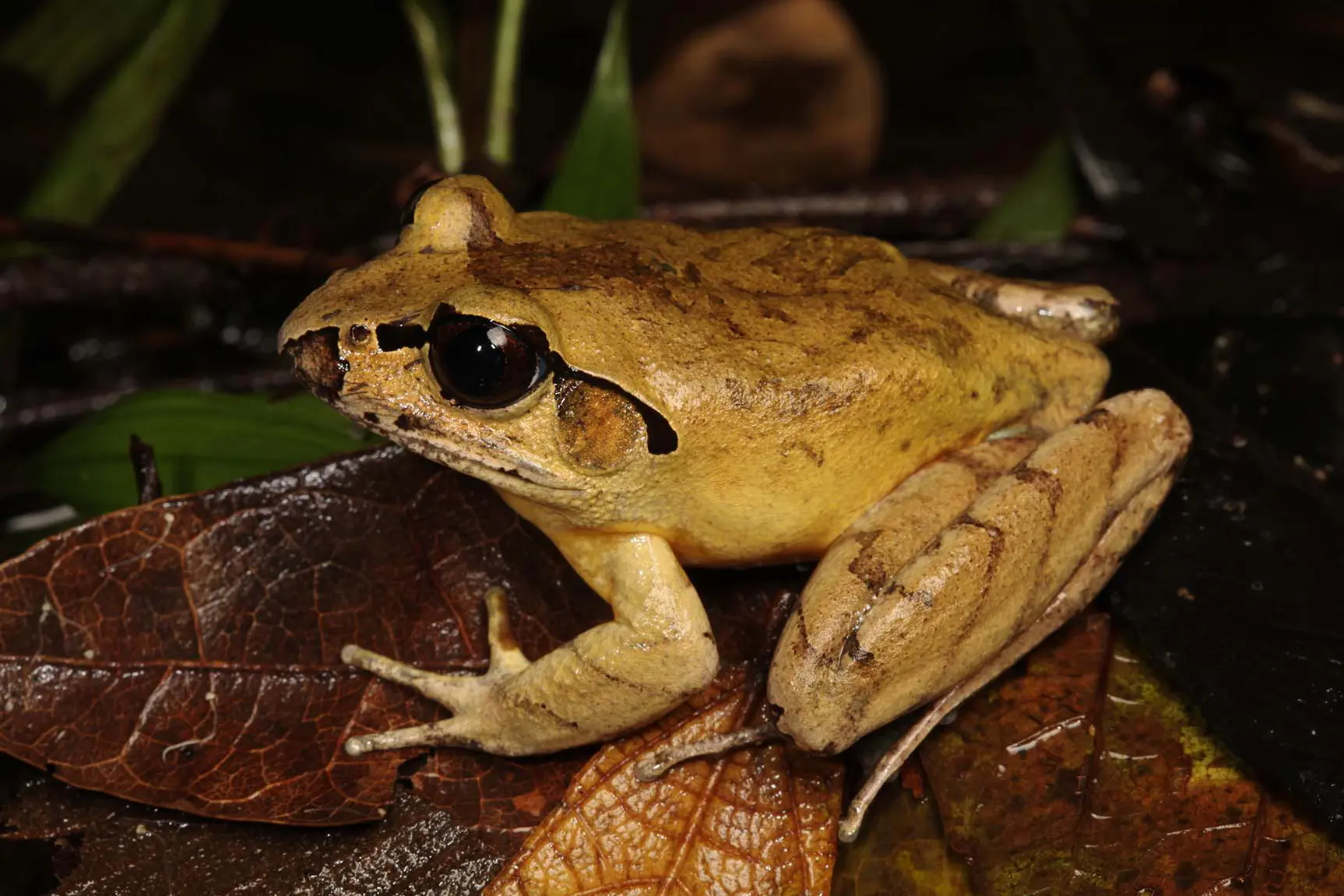
Four priority frog species scientists are keen to learn more about in Victoria are: the Green and Golden Bell Frog, Southern Bell Frog, Giant Burrowing Frog and Southern Stuttering Frog.
Upper Ovens Valley Landcare Group (UOVLG) vice president, Martyn Paterson, said he uses the FrogID app almost every day.
"There are literally hundreds of frogs," he said.
"We don't have that many different species in our region, but by identifying them, even if you're repeating the same frog in different locations, it gives the organisation a much better picture.
"People can check just to see what they are."
Mr Paterson recently contacted HVP to see if they were able to identify important frog habitats within their plantations.
"Water is really important to a whole host of life which keeps the ecosystem running," he said.
"On the drive from Myrtleford to Ovens there's a pond, which has a notice from HVP next to it saying it is a protected environment which they are conscious of."
Mr Paterson said it was important to raise awareness of these diverse local ecosystems and keep track of local species.
Australian Museum lead scientist for FrogID and curator of amphibian and reptile conservation biology, Dr Jodi Rowley, said recordings from communities around the country are helping fill important gaps in scientists' knowledge of Australia's frogs.
“We need to know where threatened frogs are surviving if we're going to protect them," she said.
"Some of the most valuable information we're getting is coming from people recording frogs around their own homes.
"We're not just looking for rare frogs: we want people to record any frogs they hear.
"Even recordings of common species are valuable, particularly when people return to the same location, as they help us understand how frog populations are changing over time."
Now in its ninth year, FrogID has collected more than 1.5 million frog records through its free app.
Last year's FrogID Week recorded 118 species, the highest number ever documented during the event, with more than 26,700 verified records collected over 10 days.