PHOTO
64114.0
Community members are running out of time to provide feedback into the first major review of the Murray-Darling Basin Plan since its launch in 2012.
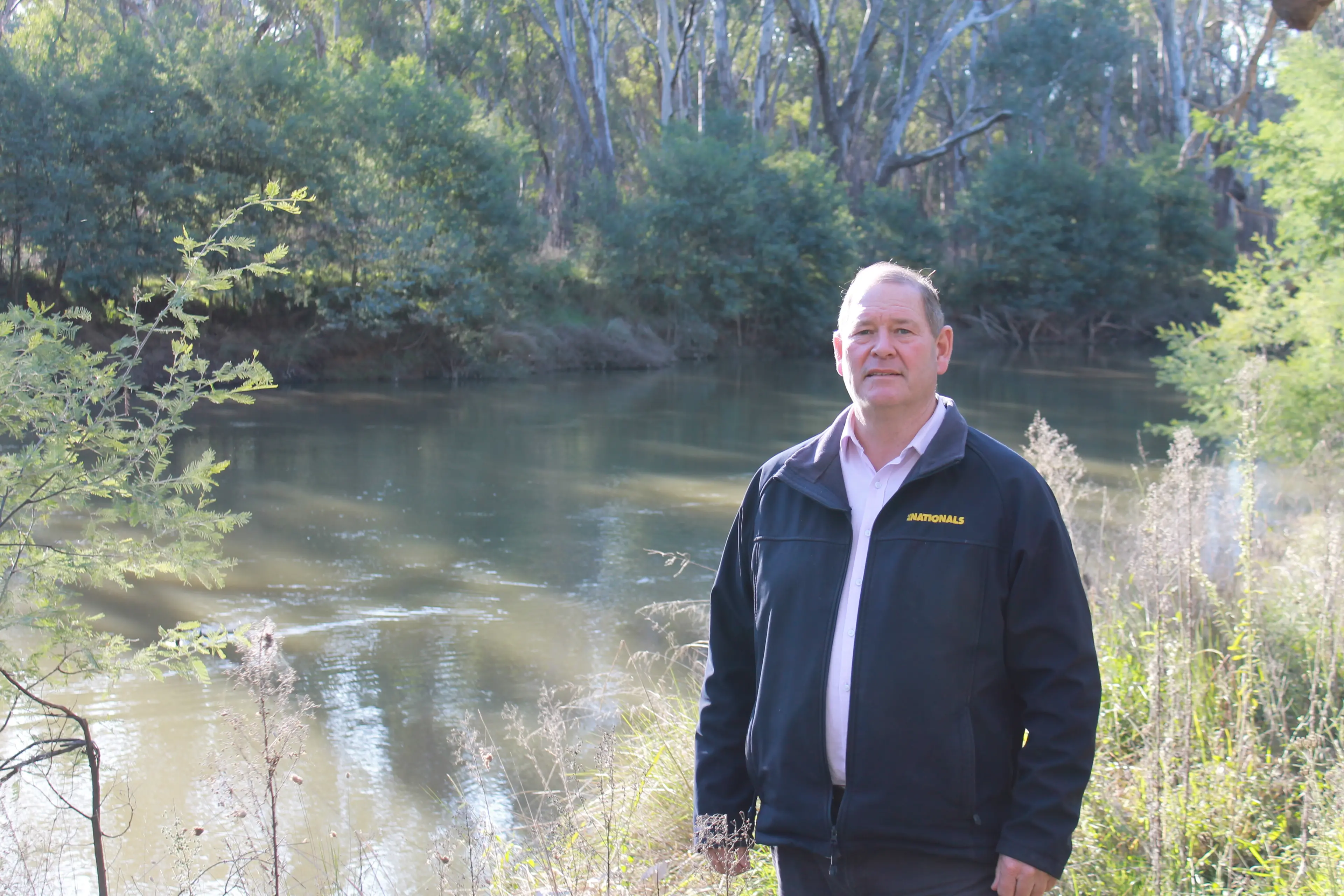
Ovens Valley MP Tim McCurdy, who is also Shadow Minister for Water, is encouraging local residents, farmers and community groups to have their say before the current public consultation period ends on Friday, 1 May.
“This is your chance to ensure local voices are heard on the issues that matter most to our region,” he said.
Feedback is sought on the Discussion Paper, including key challenges, proposed options, and community priorities for managing the basin into the future.
Submissions can be made via the consultation website (https://getinvolved.mdba.gov.au/2026basinplanreview), with further information, webinars and templates available online at mdba.gov.au.
For assistance or enquiries, contact 1800 230 067.
Murray-Darling Basin Authority chief executive Andrew McConville said North East residents are among more than 2.4 million people who live within the Murray Darling Basin and the MDBA wants to hear from as many as possible.
He said a healthy basin means resilient ecosystems, stronger industries, thriving communities and opportunities for future generations.
“That’s why a plan for the basin matters...it’s how we protect what we value and ensure rivers remain healthy, for generations to come,” Mr McConville said.
Under the review, the MDBA is not recommending any changes to the Ovens region - taking in the Ovens, Buckland, Buffalo and King rivers, Morses and Reedy creeks and Lake Buffalo (24 GL) and Lake William Hovell (14 GL) - which contribute approximately six per cent of water in the Murray-Darling Basin.
The MDBA said it is confident the Ovens' SDL (Sustainable Diversion Limit) - which is three gigalitres for environmental outcomes - "continues to reflect an environmentally sustainable level of take" and proposes it is maintained.
The MDBA said it recognised that the "extent, nature of and planning for continued monitoring, evaluation and assessment is tailored by the Victorian government for the management of local and site-specific areas of concern to maintain environmental outcomes" and that "impacts of a changing climate continue to be actively considered".