PHOTO
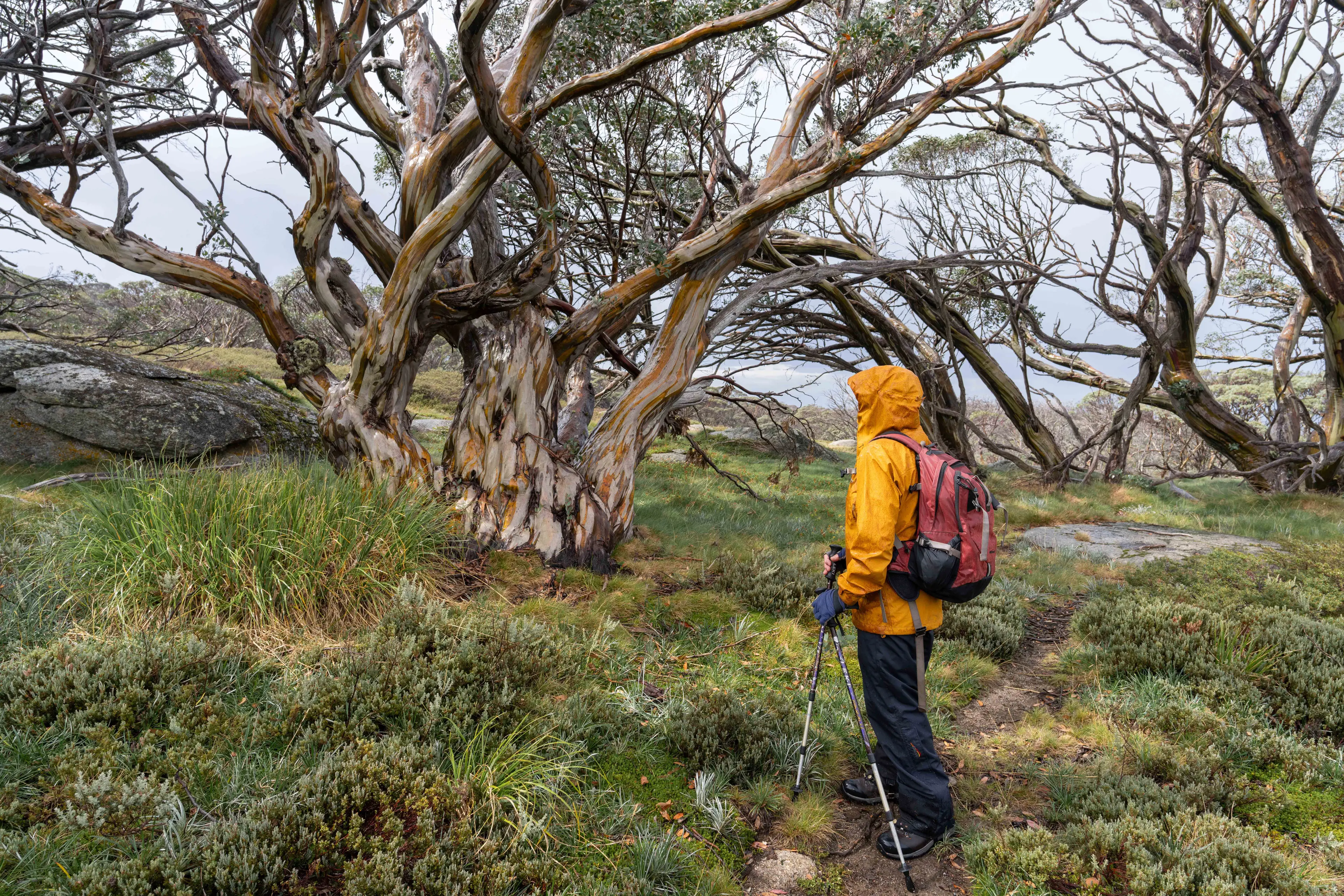
Citizen science events in support of saving the Australian Alps' iconic snow gums will be held across Victoria's high country this month.
The events are part of the Friends of the Earth’s campaign to have the snow gum species listed as threatened under federal environment law.
"Snow gums face ecosystem collapse within decades due to the climate change-fuelled threats of drought, beetle-induced dieback and intensifying bushfires," campaign spokesperson Anna Langford said.
“Snow gums are the iconic trees that make Australia’s High Country globally unique, and we could lose them within our lifetime.
"It’s time for the federal government to commit to protecting snow gums for their irreplaceable role in sustaining tourism and biodiversity in the Australian Alps.
“The federal government must develop a robust recovery plan to give snow gum woodlands a fighting chance at survival into the future.”
Friends of the Earth said a listing under Australia’s federal EPBC Act would enable national coordination to halt the widespread problem of snow gum dieback and boost funding for research.
Ms Langford said events to map the health status of snow gum woodlands at more than 20 snowsport locations, including Mt Hotham and Falls Creek, will be held this month.
The public can join events at Mt Feathertop, the Bogong High Plains (Johnston's hut, Wallaces hut), Paw Paw Plain (between dinner Plain and Mt Hotham) and at Mt Hotham during the Australian Backcountry Festival, on August 29 & 30 - for more information go to https://www.melbournefoe.org.au/snowgums
Protect Our Winters (Bright chapter) is running the snow gums survey around the General Hotel at Mt Hotham from 2pm to 4pm on Saturday 29 August - to get involved email lily.oneill@protectourwinters.org.au.
Dinner Plain survey find less than two thirds healthy
A survey of a small section of snow gums around the village of Dinner Plain on July 17 this year found only six in 10 trees were healthy.
Some 914 trees were inspected and 62 percent were found to be healthy, 20 percent were in decline and 18 per cent were dead.
Due to the trees being close to human assets like houses and ski resort infrastructure which are priortised during fire, the forests have not been badly impacted by fire in recent decades.
The forests around the village were found to be in generally good condition with a mix of regrowth and mature trees and a healthy and diverse understorey (although within the village itself introduced species tend to dominate the ground story).
The first survey demonstrated that a healthy forest will have a mix of trees, including those in decline.
What was obvious was that around 20 per cent of mature trees were showing stress and decline, especially around the edge of buildings and other infrastructure.
Dieback was also evident in clusters of trees.