PHOTO
63978.0
A collaborative project between Bangerang Aboriginal Corporation (BAC), Myrtleford and District Landcare and Sustainability Group (MDLSG) and the North East Catchment Management Authority (NECMA) is helping clear a local Myrtleford waterway of invasive weeds and restore it to its natural glory.
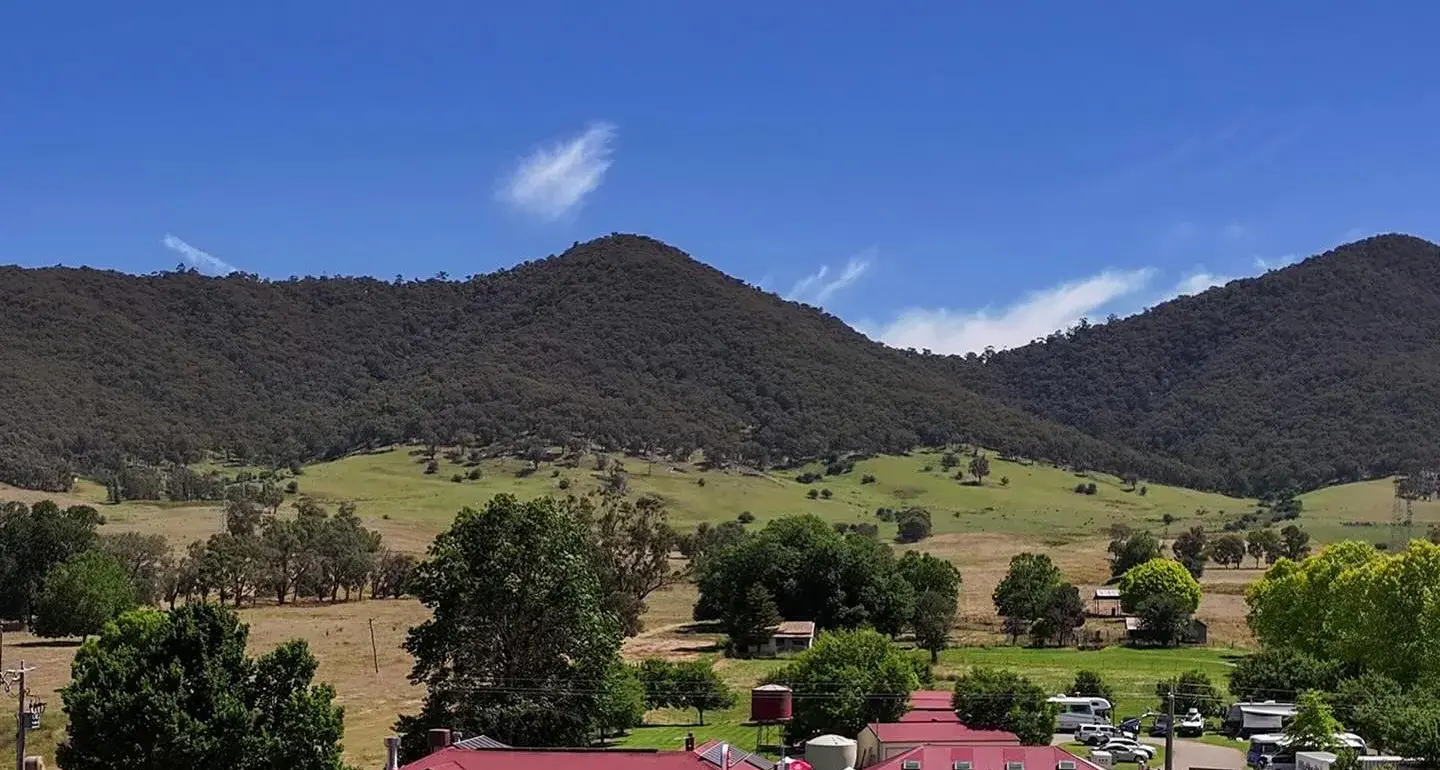
The area is centred on Barwidgee Creek, from its confluence with the Ovens River upstream to the Old Railway Bridge.
The project is not only improving riparian health and habitat, it is also helping Bangerang reconnect with culturally significant Country, and deepen the understanding of cultural and ecological values.
Directly upstream, the MDLCSG will complement the work by planting 250 native trees and shrubs and removing invasive willow and blackberry plants.
This community-driven restoration project is supported by the Upper Ovens Incentives Program (2025–2026) and will continue through to December this year.
"Together, these projects strengthen the health of the Upper Ovens waterways, combining Traditional Owner leadership with local community stewardship," NECMA NRM delivery and planning project officer, Scott McDonald said.
"The project is funded by the Victorian government’s EC6 (Environmental Contributions) Waterway Health Program, to deliver a range of projects which improve waterway health and cultural outcomes in North East Victoria.
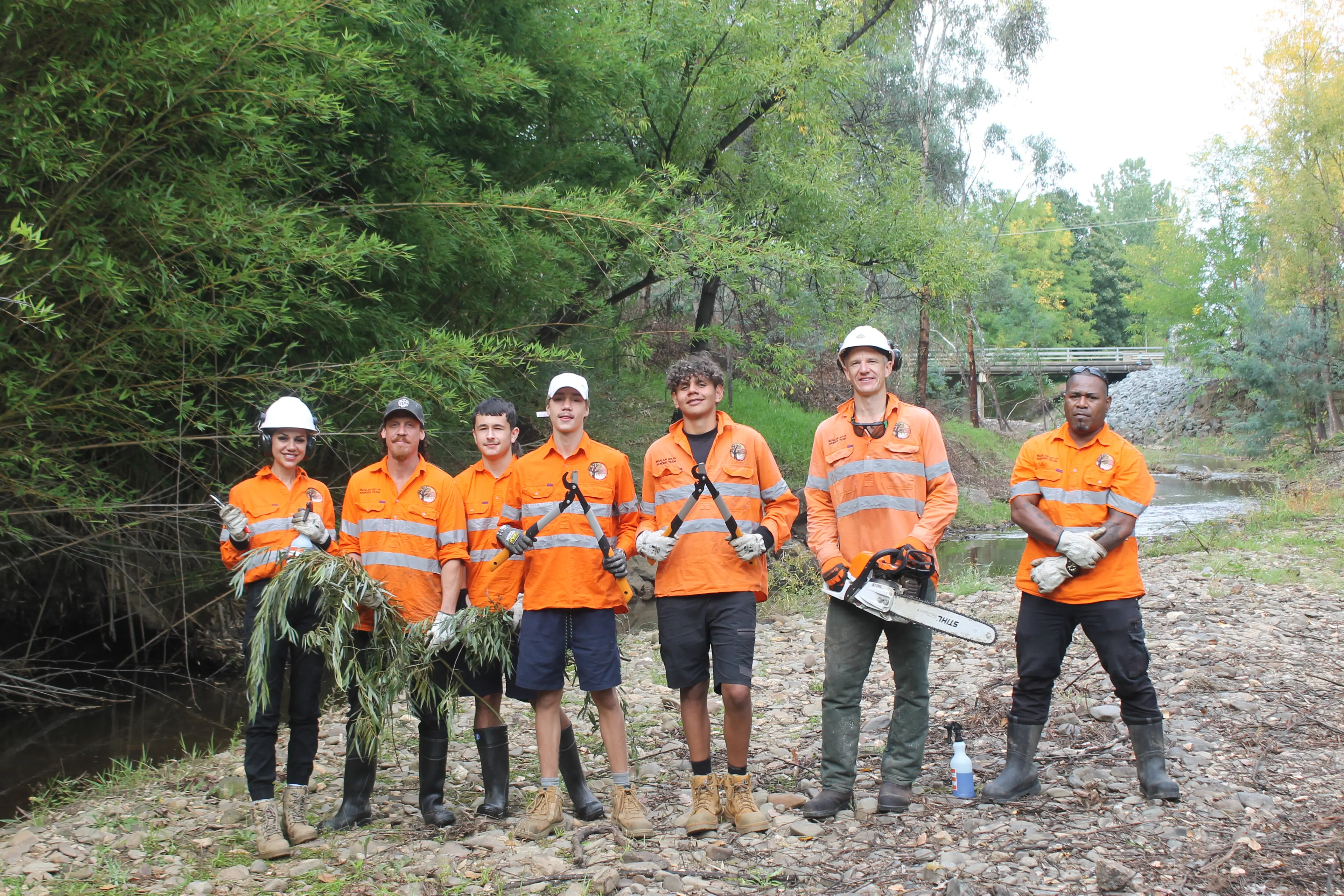
"The Bangerang Ngalan Bitja Ranger team will be recording ecological and cultural values across the project area, including vegetation, large habitat trees, weeds, native species and cultural heritage."
Mr McDonald said these assessments will guide targeted restoration activities to help improve the condition of the waterway and protect important ecological sites, through manual woody weed control.
"Bangerang is targeting weed species, such as the Broad-leaved Privet, False Acacia, Box Elder and particularly Black Willow, which is a type of seeding willow," he said.
"When it gets hold of a waterway, it starts to create a range of river health issues, such as loss in native diversity and altering the flow patterns of the waterway.
"There have been restoration works before, but the site has not received proper ongoing maintenance, allowing the weeds to come back over time.
"Bangerang is methodically hand-treating the willow, leaving the stumps intact to hold the banks together until the native vegetation regenerates...this technique will mean a low-level of disturbance to the creek.
"This will allow for natural vegetation to be able to regenerate and will improve the river's health including water quality and food sources for aquatic species.
"What has been really nice about this project is it's a really collaborative effort between the multiple stakeholders.
"NECMA and its project partners will work together to source funding to maintain cultural connection and restoration of the creek into the future."
BAC land and water project manager, Will Ford, said another good thing about the project is the opportunity for younger First Nations people to get involved in local land care.
"Some of these guys are 16-year-olds and it provides an opportunity for them to get some casual employment and learn about caring for Country work," he said.
"This is the first time they've had the opportunity to do a woody weed management project like this, so it's given them skills in plant identification and different weed management techniques.
"The educational outcomes for these young fellas and the [future] employment opportunities is a really important outcome as well, on top of the outcomes the creek itself and local community will get."
Bangarang Ranger participant, 16-year-old Montelle Stewart, said the clean-up was going well so far.
"It's nice to get out here," he said.
"For sure this project inspires me to do more nature-based [restorations] in the future."