PHOTO
65308.0
The federal government's decision to list Alpine Ash and White Ash forests as endangered is under fire from the peak body representing Victorian councils whose communities depend on forest industries.
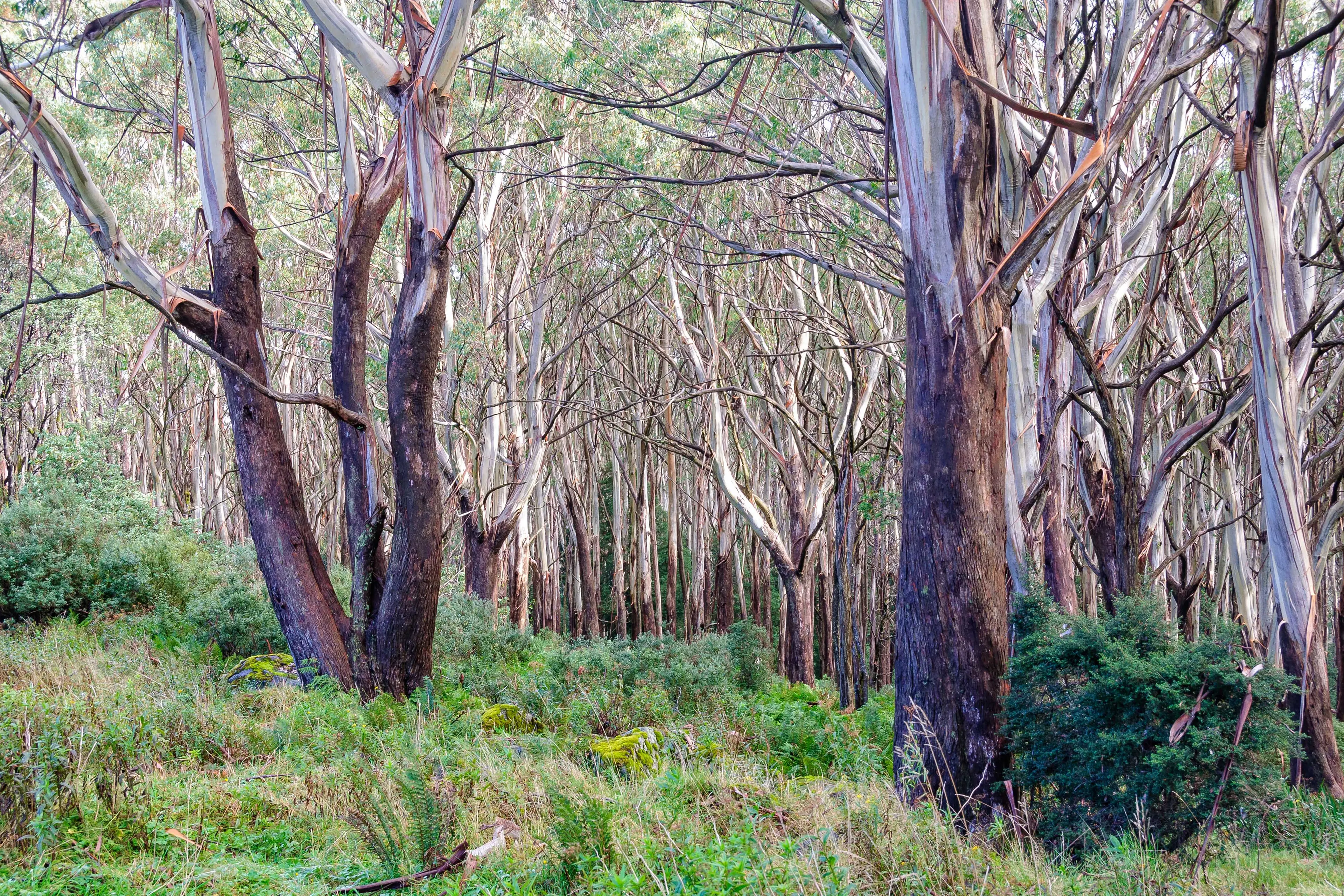
The government's listing of mainland Australia's Alpine Ash forests as an endangered ecological community under the Environment Protection and Biodiversity Conservation Act took effect on 20 March and was based on advice from the Threatened Species Scientific Committee, aiming to protect the ecosystem from collapse due to frequent, high-intensity fires.
While welcomed by conservationists, Timber Towns Victoria (TTV), of which Alpine Shire was a former member, has condemned the listing, warning it rewards ideology over evidence and risks making the forest management that these ecosystems most urgently need harder, slower, and more dangerous.
TTV president Cr Karen Stephens said the primary focus should be on genuine stewardship of the landscape rather than "ideological posturing".
“These forests face real and immediate threats from excessive fuel loads and repeated wildfire, so this listing actually leads to less management, not more, and will do nothing to protect them,” she said.
Cr Stephens said the government’s own data indicated less than five per cent of Alpine Ash forest distribution has been lost since settlement, leaving approximately 95 per cent of pre-settlement communities intact across a 720,000-hectare range throughout south-eastern Australia, including in high-altitude, high-rainfall areas within the Alpine National Park and surrounding state forests of Alpine Shire.
During its formal submission to the government, TTV flagged the critical importance of seed collection, noting that Alpine Ash seeds require 15 to 25 years to mature, leaving younger trees entirely unable to regenerate after fire.
It noted that the Mt Buffalo area, now a national park, has experienced five intense fires since its designation a century ago and that each fire - occurring roughly a decade apart - resulted in the loss of all existing seed trees and a dramatic alteration of the ecosystem.
TTV warned this pattern is the direct consequence of a lock-up-and-leave approach applied to some of the most fire-prone country on earth.
The submission also drew on findings from the 2024 International Fire Behaviour and Fuels Conference in Canberra, which found the current split between preparation and response sits at roughly five per cent planning and prevention against 95 per cent firefighting and recovery - a ratio TTV described as completely inverted from what is needed to protect Alpine Ash forests in the face of a changing climate.
Cr Stephens said TTV has called on the government to provide public land managers, Traditional Owner groups, researchers and regional communities with clear guidance on how the listing will operate in practice; and to guarantee it will not slow, restrict or complicate the active management on which both the forests and the communities surrounding them depend.