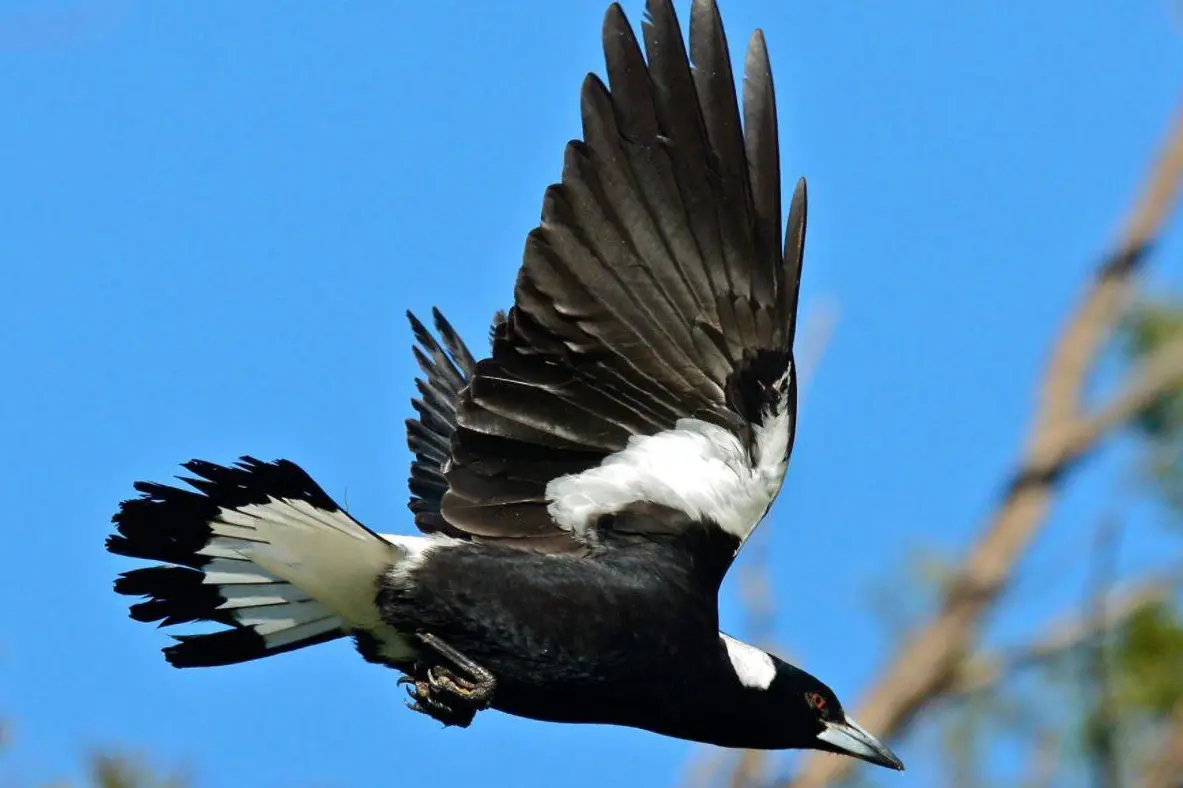
Spring has arrived, and so too has the breeding season for some of our local native birds. Department of Energy, Environment and Climate Action (DEECA) manager wildlife emergencies and welfare services, Tony English, said some native birds will swoop during the breeding season as a natural and temporary behaviour to protect their eggs and chicks "Swooping is their way of telling you to keep your distance,” he said While being swooped can feel unsettling, Mr English said it is rare for birds to make contact, with incidents occurring in urban and rural areas, including parks, gardens, playgrounds, roadsides and shared walking and cycling paths. He said some birds within a species are more aggressive than other. "The presence of magpies or other birds commonly associated with swooping does not necessarily mean you will be swooped," Mr English said. "The behaviour is usually short-lived and ends once young birds have left the nest." You can reduce the risk of being swooped by: • avoiding known swooping hotspots; • moving quickly and calmly through the area rather than running; • wearing protective head and eye coverings when needed; • avoiding harassing birds, which can increase defensive behaviour; and • not feeding birds or disturbing nests. People can help others stay informed by reporting swooping incidents to Victoria's interactive swooping bird map at https://www.wildlife.vic.gov.au/managing-wildlife/swooping-birds. Mr English said all native wildlife is protected under Victorian law. He said harassing, harming or disturbing native birds and other wildlife is illegal and penalties apply. Anyone who witnesses wildlife crime, including the harassment, harm or disturbance of native wildlife, can report it to Crime Stoppers Victoria on 1800 333 000.